

Rubbish disposal for Belsize Park and NW3 estates
Posted on 15/06/2026
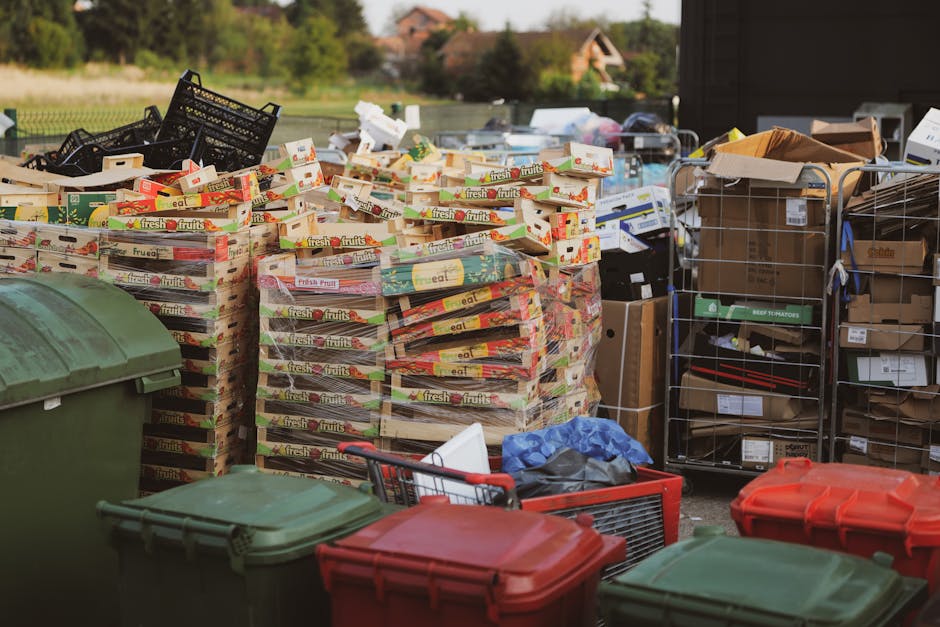
Rubbish disposal for Belsize Park and NW3 estates: a practical local guide
If you manage, live in, or own a flat in Belsize Park or across the wider NW3 estates, rubbish has a way of becoming a bigger issue than it first looks. One overflowing bin store, a missed bulky item, or a builders' skip left too long can create mess, complaints, and unnecessary stress. Rubbish disposal for Belsize Park and NW3 estates is not just about getting waste out of sight. It is about keeping shared spaces tidy, protecting access, and making sure disposal is done properly, safely, and with as little disruption as possible.
In practice, that means understanding what type of waste you have, how quickly it needs to go, whether the building has access restrictions, and which disposal method makes sense for the job. This guide breaks it all down in plain English. You will find the main options, a step-by-step approach, compliance points to keep in mind, and some real-world advice that tends to save time, money, and awkward conversations with neighbours. Truth be told, in estate settings, the small details are usually the ones that matter most.
Why Rubbish disposal for Belsize Park and NW3 estates Matters
Belsize Park and much of NW3 combine period buildings, mansion blocks, converted houses, and managed estates. That mix is lovely to live in, but it also creates a few disposal headaches. Shared bin rooms fill up quickly. Narrow access roads make loading awkward. Front steps, basement flats, gated courtyards, and parking limits can all slow things down. One person leaving waste in the wrong place can affect everyone.
For residents, poor waste handling can mean unpleasant smells, pests, blocked pathways, and extra clean-up. For landlords and managing agents, it can mean complaints, contract issues, and a building that starts to feel neglected. For tradespeople and refurbishment teams, it can mean delays, added labour, and more trips than anyone wanted. Not ideal, honestly.
There is also a visual side to it. Estate areas rely on shared presentation. Clean bin stores, clear fire routes, and tidy communal areas all help a building feel cared for. If you are also looking at the area from a property perspective, the topic overlaps with local living standards, which is why pieces like evaluating Hampstead as a living destination and buying real estate in Hampstead are useful background reading for owners and investors.
In short, good waste disposal is part of good estate management. It is not glamorous, but it is one of those things people notice immediately when it goes wrong.
How Rubbish disposal for Belsize Park and NW3 estates Works
The right approach depends on the waste stream and the building layout. Most estate jobs fall into one of a few common patterns: household clear-outs, bulky item removal, garden waste, office or communal area clearance, builders' waste, or mixed rubbish collected after tenancy changes.
Typically, the process starts with identifying the materials. Are you dealing with general rubbish, old furniture, broken appliances, green waste, cardboard, or renovation debris? Then you look at access. Can a vehicle park close enough? Is there a lift? Are there stairs, long corridors, or controlled entry points? These details affect time, labour, and the size of crew needed.
From there, the disposal method is usually chosen based on efficiency and suitability. Some jobs are simple enough for a quick collection. Others need a more structured clearance, especially if a full flat, basement storage area, or estate bin store has been neglected for a while. If the waste includes heavy, awkward, or large items, services such as furniture disposal or loft clearance may be a better fit than a general tidy-up.
For communal or rented properties, timing matters too. You often want disposal to happen between tenant move-out and re-let, or after contractor work before residents return to normal routines. In my experience, the best results happen when the disposal plan is made before the waste starts piling up. A little boring, maybe. Very effective, though.
Key Benefits and Practical Advantages
There is a reason estate managers, block residents, and local landlords keep coming back to organised waste removal: it saves a lot of friction.
- Cleaner shared areas: Bin stores, hallways, and service yards stay easier to use and easier to maintain.
- Less neighbour tension: Fewer complaints about smells, clutter, and blocked access.
- Faster turnaround: Useful after tenant moves, refurbishments, or when preparing a flat for sale.
- Safer premises: Less trip risk from sacks, sharp materials, or stacked items in common parts.
- Better presentation: Tidy estates simply feel better cared for, which matters in Belsize Park and the rest of NW3.
- More flexible handling: You can match the method to the waste instead of forcing everything into one solution.
For businesses and landlords, there is a commercial angle as well. A clean, organised estate is easier to let, easier to manage, and less likely to generate avoidable work orders. That is especially relevant if you are balancing multiple properties or keeping an eye on Hampstead real estate investments and the practical upkeep that comes with them.
And there is a simple human benefit too: less hassle. Which, after all, is probably the point.
Who This Is For and When It Makes Sense
This type of rubbish disposal is useful for a fairly wide group of people. If you are in one of the situations below, it tends to make life easier rather than harder.
Private residents
If you are clearing a spare room, replacing furniture, or finally dealing with the things that have been sitting in the hallway "just for now" for six months, an organised collection can stop the job spreading into the whole flat.
Landlords and letting agents
End-of-tenancy clearances are a classic use case. Tenants leave behind unwanted items, broken furniture, packaging, or bagged rubbish that is too much for normal bins. A fast, tidy removal helps prepare the property for cleaning and re-letting.
Estate and block managers
In communal buildings, the challenge is often volume and repetition. One flat may be fine on its own, but several flats moving out in the same week can overwhelm bin stores quickly. Here, coordination matters more than brute force.
Contractors and refurb teams
Builders' waste, old kitchen units, plasterboard, timber offcuts, packaging, and mixed renovation debris all need handling carefully. For that, a dedicated approach is usually better than trying to improvise. If you are dealing with renovation debris, builders' waste disposal in Hampstead is a useful reference point.
Office and mixed-use premises
Some estates include commercial or professional spaces. Old desks, chairs, filing, cardboard, and archive material can build up fast. If this sounds familiar, office clearance may be the more relevant route.
It makes sense when the waste is too bulky, too mixed, too urgent, or too awkward for standard bin day handling. That is the short answer. The longer one is: whenever you want the job done cleanly and without a lot of back-and-forth.
Step-by-Step Guidance
If you want a smoother disposal day, follow a simple process. It saves time, and it avoids the classic estate problem of moving the same pile twice.
- Separate the waste by type. Keep furniture, bagged rubbish, recyclable cardboard, green waste, and building debris apart where possible.
- Check access carefully. Note lifts, stairs, loading bays, parking restrictions, keypad entries, and any time windows for deliveries or collections.
- Measure bulky items. A quick measurement can help avoid surprises with door widths or tight stairwells.
- Identify anything sensitive. Paperwork, electronics, and items with personal data should be handled thoughtfully.
- Choose the right disposal method. A small load, a whole flat, or a post-refurb clearance may need very different handling.
- Confirm who will be present. Someone should be on site to unlock access, answer questions, and confirm what is going and what must stay.
- Arrange final sweep-up. A proper finish matters. Dust, screws, and packaging scraps are easy to miss.
One practical tip: if you are arranging house clearance, do not leave sorting until the morning of the job. The whole thing runs better when you have already marked the obvious keep, donate, and remove items.
Another tip, slightly obvious but worth saying: bin stores are not magic. If the waste is already blocking access, the collection team needs a plan, not a mystery pile.
Expert Tips for Better Results
The best estate waste jobs usually have one thing in common: someone thought ahead. Not too much, just enough.
- Use labels in shared clearances. On mixed estate jobs, tape labels on anything to keep. It removes confusion fast.
- Book before the deadline. If a tenancy ends, a refurbishment starts, or a party venue must be reset, book earlier than you think you need to. Last-minute jobs are possible, but calm is better.
- Keep corridors clear. In older buildings, stacked rubbish in common parts can create fire and access issues. It also annoys people. Fair enough.
- Photograph the area before and after. Helpful for landlords, agents, and managing teams who need a record.
- Use the right service for the material. Garden waste, office clutter, loft contents, and furniture all behave differently on the ground.
- Plan for awkward items first. Large wardrobes, broken sofas, or heavy filing cabinets tend to be the items that slow everything down.
If you are dealing with seasonal tidy-ups, especially in shared gardens or courtyard areas, garden waste removal can stop green waste from lingering in sacks for weeks. It sounds minor. It is not minor when it starts to smell in warm weather.
And one more thing: if a service provider explains what can and cannot be taken, listens to access details, and gives you a proper plan rather than vague reassurance, that is usually a good sign.

Common Mistakes to Avoid
Most disposal problems are surprisingly preventable. They are not dramatic failures, just small oversights that stack up.
Leaving everything to the last minute
Estate jobs often need coordination. Waiting until the day before means you are dealing with access, lift bookings, parking, and sorting all at once. That is where mistakes creep in.
Mixing waste types without checking
General rubbish, electrical items, furniture, and builders' waste may need different handling. Dumping everything into one pile can make the job slower and less efficient.
Ignoring access constraints
Many Belsize Park and NW3 properties are not simple ground-floor jobs. Narrow staircases, controlled entry, and basement storage can turn a small clear-out into a time-sensitive puzzle.
Forgetting what must stay in the building
Shared estates often have equipment, cleaning supplies, resident storage, or items that look like junk but are not. A quick walk-through helps avoid accidental removal.
Assuming bin stores can absorb everything
They cannot. Not safely, not neatly, and usually not for long. Overfilled communal bins invite complaints and make the whole property feel neglected.
Let's face it, most of the trouble comes from assuming a quick job will stay quick without any planning. It usually won't.
Tools, Resources and Recommendations
You do not need complicated tools to manage rubbish disposal well, but a few simple things make a real difference.
- Basic inventory list: A short note of what is staying, going, or unknown.
- Sticky labels or masking tape: Handy for flats, shared storage rooms, and office clearances.
- Phone photos: Useful for remote approvals and to avoid misunderstandings.
- Protective gloves and sturdy bags: Not glamorous, but useful for sorting safely.
- Measuring tape: Especially helpful for bulky furniture and tight access routes.
- Building access notes: Key codes, concierge times, loading restrictions, and lift rules all belong in one place.
If you want to understand the wider service landscape before booking, a helpful starting point is the services overview. For a broader environmental perspective, recycling and sustainability explains the sort of thinking that should sit behind any responsible clearance.
When finance or admin is part of the decision, it also helps to review pricing and quotes and payment and security. Nobody enjoys surprises at checkout. Nobody.

Law, Compliance, Standards, or Best Practice
Waste handling in the UK is shaped by general duty-of-care expectations, safe handling practice, and the need to dispose of waste through legitimate routes. For estate settings, that means more than just getting rid of items quickly. It means making sensible decisions about segregation, access, and documentation where appropriate.
For example, if you are responsible for communal areas, you should be careful about fly-tipping risks, fire exits, and the temporary storage of waste in shared spaces. A neat stack in the wrong place can still create a problem. In older blocks especially, common parts are not the place to improvise.
For renovation work, builders' waste should be handled with the same care as any other worksite material. Mixed rubble, plasterboard, timber, and packaging can each require different handling depending on the job. If a service provider is careful about safety and access, that is a good sign. You can also look at insurance and safety to understand the standards expected around work on occupied properties.
Best practice also includes respecting resident access, keeping disturbance low, and avoiding unnecessary noise or obstruction. In a neighbourhood like Belsize Park, that courtesy matters. People notice when a job is done quietly and professionally. They notice when it is not, too.
One final point: if a building has specific management rules, those should be followed even if the waste job seems small. The building rule usually wins. That is just life in managed blocks.
Options, Methods, or Comparison Table
Different waste situations call for different methods. Here is a simple comparison to help you judge what fits best.
| Method | Best for | Strengths | Watch-outs |
|---|---|---|---|
| Bin-day only approach | Very small volumes of ordinary household waste | No extra booking, simple routine | Poor fit for bulky items, shared block overflow, or urgent clearances |
| Ad hoc resident disposal | One-off items from a flat or storage cupboard | Flexible and low effort for small jobs | Can get messy in estates if people leave items in common areas |
| Dedicated rubbish collection | Mixed rubbish, bulky items, and quick turnarounds | Fast, convenient, usually less disruption | Needs clear access and accurate item description |
| Full waste clearance | Large flat clear-outs, estate cleanups, or post-move situations | Best for bigger jobs and mixed loads | Requires more planning and on-site coordination |
| Specialist builders' clearance | Refurbishment debris and heavier worksite waste | Appropriate handling of construction material | Must be planned around access, dust, and safety |
If you are comparing the feel of different disposal approaches, the deciding factor is usually not the waste itself. It is the combination of access, volume, urgency, and how much disruption the building can tolerate. That is why estate jobs are rarely just "a simple collection".
For local reading on street-level collections and how timing can matter in busy parts of NW3, the Hampstead High Street NW3 guide is worth a look. For fast-response situations, same-day rubbish collection near Heath Street and Flask Walk shows how timing can become the main factor.
Case Study or Real-World Example
Here is a realistic example. A managing agent in a Belsize Park mansion block is preparing for a flat to be re-let. The previous occupier has left an old wardrobe, a broken desk chair, several bin bags, flattened boxes, and a couple of small appliances in the hallway storage area. Nothing unusual, really. But it is enough to make the flat feel unfinished, and the hallway awkward for cleaners.
The first step is a quick sort. The wardrobe and chair go in the bulky furniture pile. The boxes are flattened and separated. The appliances are checked to make sure they are included in the collection plan. The agent notes that the building has a narrow side entrance and only limited loading space at the front, so the collection needs a tidy window rather than a long arrival period.
On the day, the waste is removed in one visit. The team clears the storage area, sweeps up the small debris, and leaves the common hallway usable again. The cleaner can start the final flat refresh straight away. The letting team gets the property back on the market without a weird delay. Everyone breathes easier.
That kind of job is small on paper, but in estate management it makes a visible difference. And, to be fair, these are exactly the jobs where good planning pays back quickly.
Practical Checklist
Use this checklist before arranging rubbish disposal in Belsize Park or an NW3 estate:
- Identify the waste type: general, bulky, green, office, or builders' debris.
- Separate items that must be kept, donated, recycled, or removed.
- Check access: stairs, lifts, parking, entry codes, and loading space.
- Measure large furniture and awkward items.
- Notify residents, tenants, or building staff if shared access is affected.
- Remove personal documents or data-sensitive materials first.
- Confirm who will be on site to grant access or approve decisions.
- Plan for a final sweep-up of dust, packaging, and screws.
- Match the disposal method to the job size and urgency.
- Keep any estate rules or building instructions close to hand.
If you are dealing with storage spaces as well as surface clutter, it may help to think about loft clearance or other targeted clearances as part of the same plan. Small jobs become much easier when they are grouped logically instead of tackled piecemeal.
Get a free quote today and see how much you can save.
Conclusion
Rubbish disposal for Belsize Park and NW3 estates works best when it is handled with a bit of structure and a lot of common sense. The right approach keeps communal areas clean, protects access, reduces resident frustration, and helps flats, blocks, and managed properties stay presentable. It also saves that awkward stage where everyone assumes someone else will deal with the pile in the bin store.
Whether you are clearing one flat, organising an entire block, or dealing with post-refurbishment waste, the main principle stays the same: plan the access, separate the waste, and use the most suitable disposal method for the job. Simple, but not always easy. Still, once it is handled properly, the difference is immediate. The space feels lighter. Quieter, somehow. And that is worth having.

 Tipper Van - Rubbish Removal and Waste Clearance Prices in Hampstead, NW3
 Luton Van - Rubbish Removal and Waste Clearance Prices in Hampstead, NW3

